
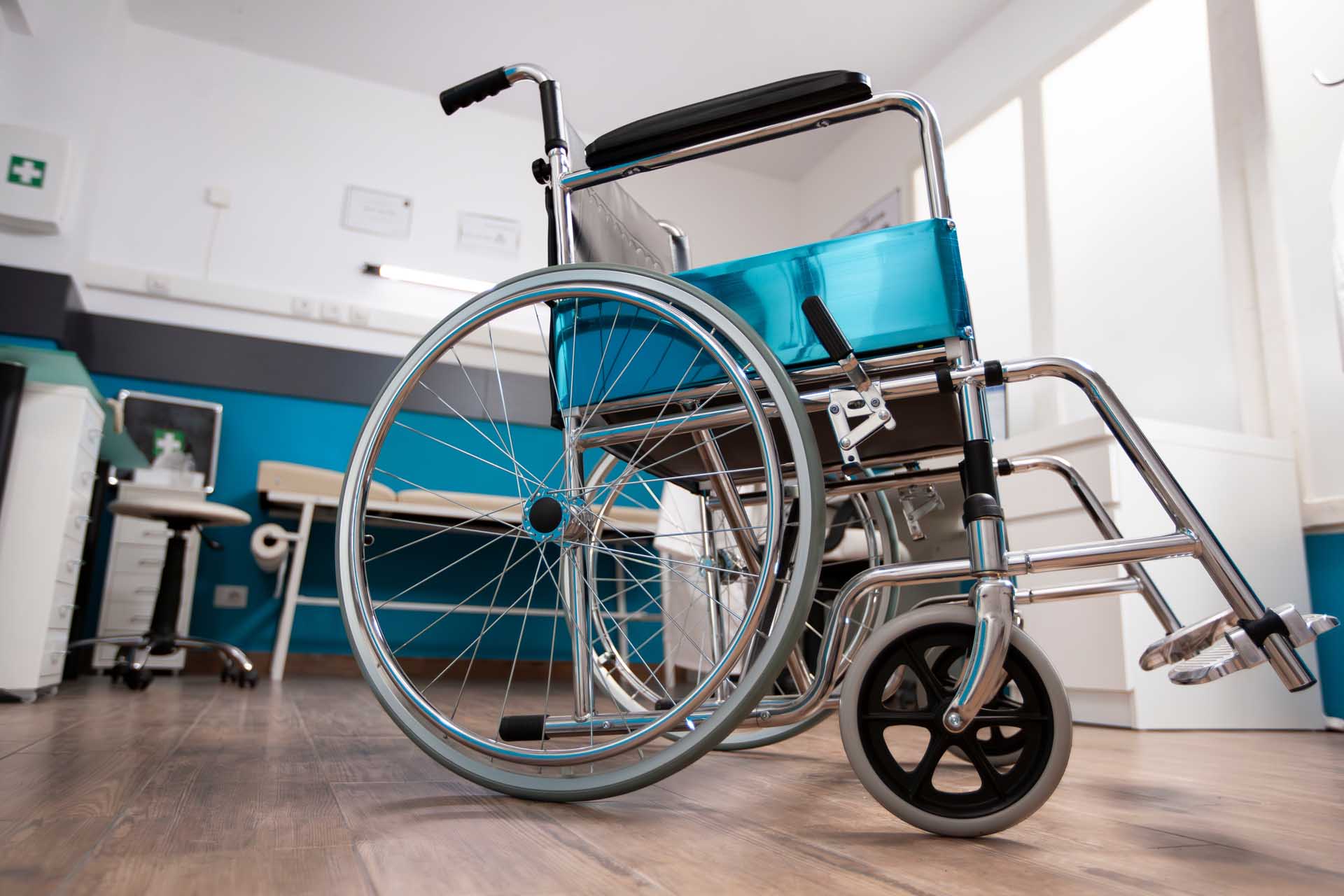
Bariatric transportation services are designed to safely transport individuals who require additional space, weight capacity, and specialized support beyond standard wheelchair transportation.
For patients, families, and healthcare facilities, understanding what bariatric transport includes — and when it is appropriate — helps ensure safety, comfort, and dignity during medical travel.
What Is Bariatric Transportation?
Bariatric transportation refers to non-emergency medical transportation (NEMT) that is equipped to accommodate individuals with higher weight capacities or mobility needs that exceed standard equipment limits.
These services typically involve:
- Vehicles with higher weight-rated lifts or ramps
- Wider wheelchairs or mobility devices
- Reinforced securement systems
- Additional staff assistance when required
The goal is to provide safe, stable, and respectful transportation tailored to each individual’s needs.
When Is Bariatric Transport Needed?
Bariatric transportation may be appropriate when:
- A patient exceeds the standard weight limit of a traditional wheelchair van
- A wider mobility device is required
- Extra assistance is needed for safe transfers
- Stability concerns exist during seated transport
Healthcare providers and discharge planners often determine the appropriate transport level based on mobility assessments and safety considerations.
Why Specialized Equipment Matters
Standard transportation equipment may not provide adequate stability or support in bariatric situations. Without proper accommodations, risks can include:
- Improper wheelchair securement
- Transfer strain or injury
- Discomfort during longer rides
- Increased fall risk
Specialized bariatric-capable vehicles and trained personnel reduce these risks and help protect both clients and caregivers.
Dignity and Respect Are Essential
Bariatric transportation is not simply about equipment — it is about delivering services with professionalism and compassion.
Patients deserve:
- Discreet, respectful assistance
- Clear communication
- Safe handling procedures
- Comfortable travel conditions
Providers who approach bariatric transport with sensitivity help preserve confidence and dignity throughout the journey.
Planning for Bariatric Transportation
To ensure safe service, it’s important to communicate:
- Accurate weight and mobility details
- Type of mobility device used
- Transfer assistance requirements
- Any recent surgical or medical considerations
Advance planning prevents delays and ensures the appropriate vehicle and staff are assigned.
Supporting Safe Mobility Across Chicago
As mobility needs evolve, bariatric transportation services play an important role in supporting healthcare access. When properly equipped and professionally delivered, these services protect patient safety while maintaining comfort and dignity.
Parable Mobility provides specialized wheelchair and mobility transportation services throughout Chicago and the surrounding suburbs, supporting safe and dependable access to care.

