
Wheelchair vs Stretcher Transport: What Patients and Facilities Should Know
Choosing the right level of medical transportation is essential for safety, comfort, and compliance with care plans. In Illinois, Non-Emergency Medical Transportation (NEMT) services typically fall into two common categories — wheelchair transport and stretcher transport. Understanding the difference helps families, case managers, and healthcare facilities schedule the most appropriate service for each patient.
What Is Wheelchair Transportation?
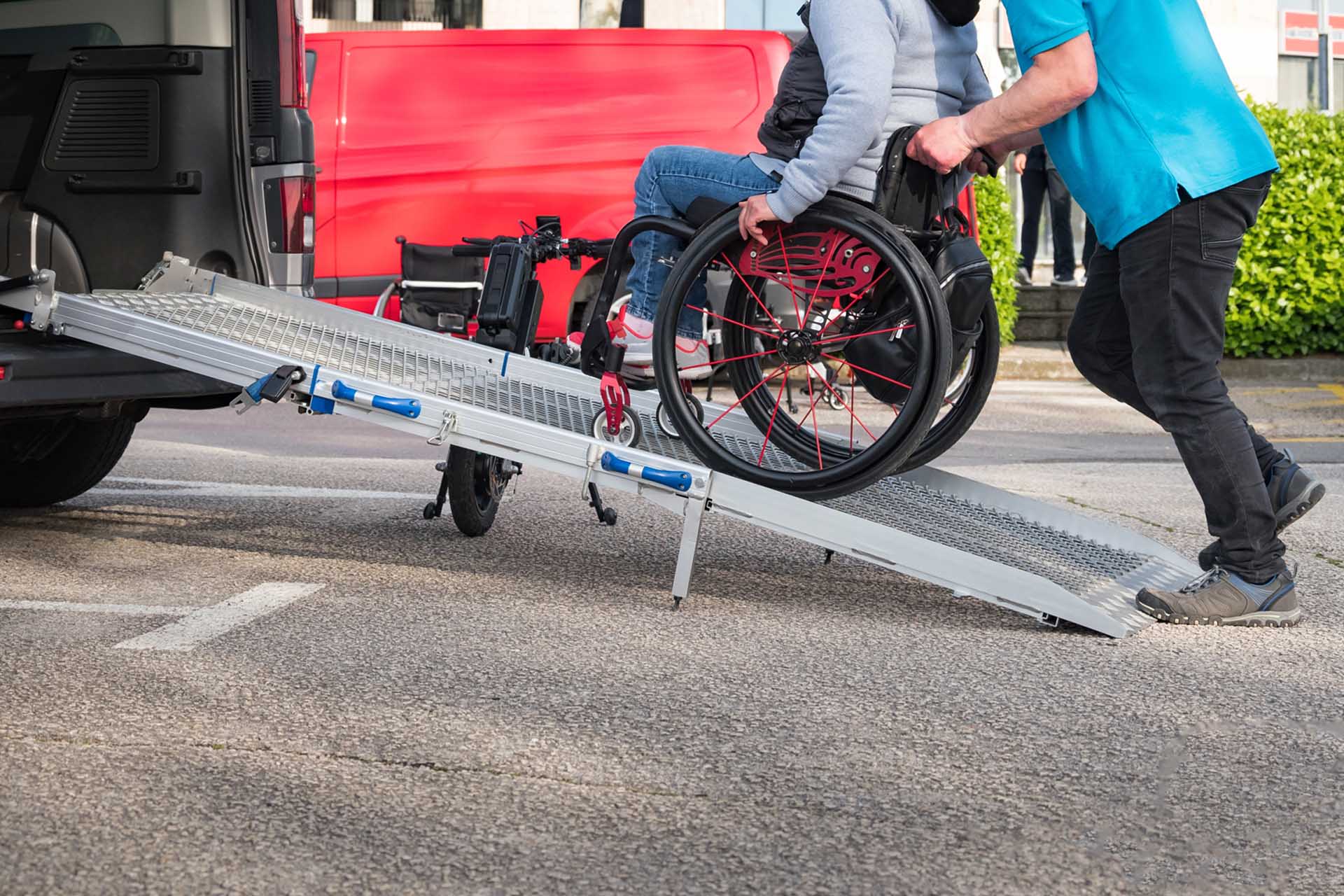
Wheelchair transportation is designed for individuals who are unable to walk long distances but can remain seated upright during travel. Vehicles are equipped with ramps or lifts, securement systems, and safety restraints to keep mobility devices stable throughout the ride.
Wheelchair transport is often used for:
-
- Dialysis appointments
- Physical therapy visits
- Routine medical checkups
- Hospital discharges where the patient can sit safely
Many seniors and individuals in Chicago and the surrounding suburbs rely on wheelchair-accessible transportation to maintain independence while receiving ongoing care.
What Is Stretcher Transportation?
Stretcher transportation is intended for patients who must remain lying down during transport due to medical condition, injury, or mobility limitations. While stretcher services are non-emergency, they require specialized equipment and additional assistance to safely load and secure the patient.
Stretcher transport may be appropriate for:
-
- Patients recovering from surgery who cannot sit upright
- Individuals with severe mobility restrictions
- Long-distance transfers between care facilities
- Situations where sitting could cause discomfort or medical risk
Stretcher transport is different from ambulance service because it is typically scheduled and non-urgent, focusing on comfort and safe mobility rather than emergency medical care.
Key Differences Between Wheelchair and Stretcher Transport
Position During Transport
-
- Wheelchair: Seated upright
- Stretcher: Lying flat
Level of Assistance
-
- Wheelchair: Mobility support and securement
- Stretcher: Advanced handling and specialized equipment
Vehicle Setup
-
- Wheelchair vans use ramps or lifts
- Stretcher vehicles require additional space and secure mounting systems
Common Use Cases
-
- Wheelchair: Dialysis, doctor visits, outpatient care
- Stretcher: Post-surgical transfers, extended medical transport
How Facilities and Families Choose the Right Option
The decision is usually based on a patient’s mobility level, physician recommendations, and safety considerations. Discharge planners and case managers often evaluate whether the individual can tolerate sitting for the duration of the ride. If there is uncertainty, transportation providers may request additional details to ensure the safest arrangement.
Why Choosing the Correct Service Matters
Selecting the appropriate transport type helps prevent injuries, reduces delays during discharge, and ensures compliance with healthcare guidelines. It also supports better coordination between transportation providers and medical teams, improving overall patient experience.
Reliable NEMT services play a critical role in connecting residents to the care they need — whether through wheelchair-accessible vehicles or specialized stretcher transport solutions.
Parable Mobility is committed to helping families and facilities make informed transportation decisions by providing safe, professional mobility solutions tailored to each client’s needs. https://parablemobility.com/contact-us/

